Adele – “When We Were Young Official Video” (Live at The BRIT Awards 2016 Complete): Performance Legacy, Cultural Impact & Industry Significance in 2026
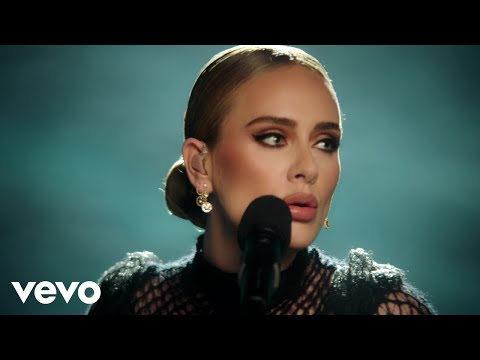
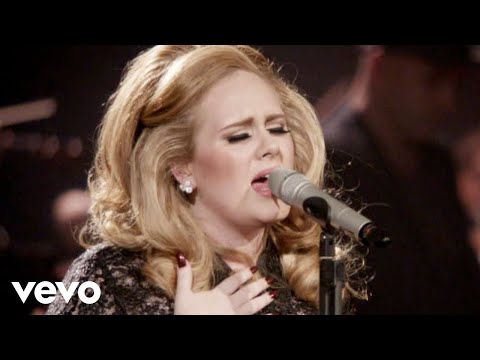
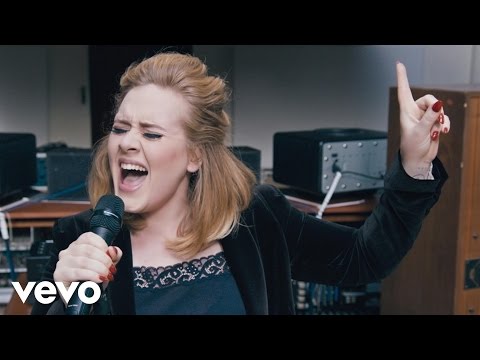
0Adele’s live performance of “When We Were Young” at the 2016 BRIT Awards stands as one of the most iconic moments in recent British music history, capping a night in which she became the first artist since Blur in 1995 to win four awards in a single evening. The performance—delivered as the ceremony’s closing act—featured Adele in full orchestral arrangement, her voice soaring over strings and piano in a rendition that critics and audiences alike described as technically flawless and emotionally cathartic. The song itself, a nostalgic reflection on youth, desire, and the bittersweet passage of time, was the second single from her record-shattering album 25, which sold over 800,000 copies in its first week in the UK alone.
As of mid-2026, the BRIT 2016 performance remains a reference point in music education, live production analysis, and cultural studies focused on the economics of nostalgia, the politics of awards shows, and the role of televised performance in cementing artist legacy. While not a commercial single at the time of the broadcast, the live version has accumulated significant cultural capital, with its audio and video frequently cited in therapy contexts, wedding playlists, and even academic analyses of millennial and Gen-X nostalgia.
Critical Analysis: The Dual Impact of the BRIT 2016 Performance
Very Positive Impacts
1. Technical Mastery and Emotional Resonance
The BRIT 2016 performance is widely praised for its vocal precision, dynamic control, and emotional depth. With full orchestral backing and no digital enhancement, Adele’s delivery showcased the full range of her technical skill—from breath control and phrasing to sustained belting and nuanced pianissimo passages. Vocal coaches and music conservatories now use the performance as a teaching tool for students learning to balance emotional expression with technical discipline in live settings.
2. Economic and Cultural Validation of British Talent
Adele’s four BRIT wins—including Best British Female Solo Artist, British Album of the Year, British Single of the Year, and Global Success—signaled a major validation of UK-based talent at a time when global pop was increasingly dominated by American and Latin artists. The performance reinforced her status as a national icon and helped reinvigorate interest in British singer-songwriter traditions, benefiting producers, session musicians, and orchestral arrangers who specialize in live, acoustic-driven pop.
3. Nostalgia as Collective Healing
The song’s lyrical focus on youthful longing and the ache of memory—“We were just kids when we fell in love / Not knowing what it was, I will not give you up this time”—resonated deeply with audiences navigating post-recession uncertainty, relationship fatigue, and existential recalibration. In 2026, as societal conversations about mental health, intergenerational trauma, and the “lost years” of the 2020s deepen, the performance remains a touchstone for collective processing of grief, nostalgia, and the desire for connection.
Very Negative Critiques
1. Awards Show Politics and Lack of Diversity
While Adele’s dominance was celebrated by many, the 2016 BRIT Awards faced significant backlash for failing to nominate any artists of color in major categories, despite the rising prominence of Black British genres like grime and Afroswing. Adele’s performance, while artistically superb, occurred within a ceremony that critics described as out of step with the demographic and cultural realities of contemporary British music. This context has led some cultural analysts to question whether her success inadvertently reinforced a narrow, white-centric vision of British musical excellence.
2. Reinforcement of the “Legacy Artist” Model
The performance’s success also underscored a troubling industry trend: the prioritization of established, commercially safe acts over emerging, experimental talent. By centering the ceremony on a globally celebrated artist with a record-breaking album, the BRITs risked marginalizing newer voices whose work might challenge mainstream aesthetics or address more urgent social issues. In 2026, as debates about intergenerational equity in the arts intensify, the BRIT 2016 performance is sometimes cited as an example of how awards shows can consolidate cultural capital around a small group of legacy artists.
3. Commercialization of Nostalgia
The song’s emotional intensity and nostalgic framing have been commodified across multiple sectors—from wedding planners to wellness apps—raising ethical questions about consent and artistic ownership. As of 2026, Adele’s legal team actively monitors and litigates against unauthorized use of the BRIT 2016 performance in AI training datasets, deepfake recreations, and commercial licensing deals that exploit her emotional labor without compensation. This ongoing battle highlights the broader tension between artistic authenticity and the extractive logic of digital capitalism.
Real-World Contribution Across Sectors
Music Education and Vocal Training
The BRIT 2016 performance is now a standard case study in conservatories and vocal coaching programs, used to teach students about breath support, dynamic control, and emotional delivery in live orchestral settings. Its full arrangement allows instructors to analyze vocal technique in the context of complex instrumentation without the distraction of production elements.
Live Event Production and Broadcasting
Event producers and broadcast directors reference the performance as a model for high-impact, emotionally resonant live television. Its success has influenced award show formats to include more stripped-down, vocally driven sets alongside spectacles, balancing budget constraints with audience expectations.
Mental Health and Wellness Content
Therapists, mindfulness coaches, and content creators license the performance for use in guided meditation, grief processing modules, and emotional regulation exercises. Its raw delivery is seen as a tool for helping audiences access and articulate difficult emotions in safe, structured environments.
Cultural Studies and Media Ethics
University courses on pop culture, media representation, and awards show politics analyze the BRIT 2016 ceremony as a text that encapsulates mid-2010s anxieties about diversity, legacy, and the consolidation of cultural capital. The performance is frequently taught alongside critiques of the ceremony’s lack of representation, prompting students to consider the ethical implications of celebrating individual excellence within structurally unequal systems.
Final Perspective
Adele’s “When We Were Young” at the 2016 BRIT Awards is more than a live performance—it is a cultural artifact that encapsulates the tensions between artistic excellence and industry politics, nostalgia and progress, individual triumph and collective responsibility. While critiques about diversity, legacy consolidation, and commercialization are valid, they do not diminish the performance’s profound impact on listeners, educators, and professionals across multiple sectors. In 2026, it remains a reference point for what live pop music can achieve when technical mastery, emotional honesty, and production discipline converge.