Adele – “I Drink Wine” (Official Video Complete): Symbolism, Social Critique & Cultural Legacy in 2026
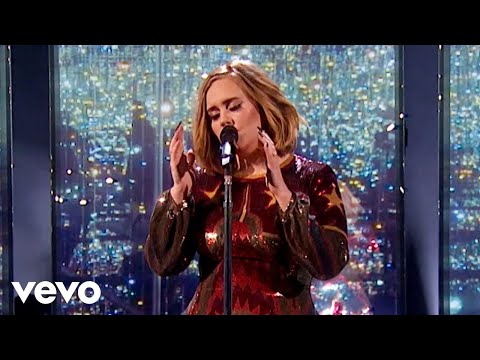
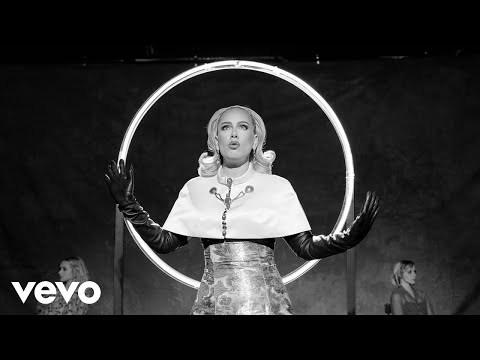
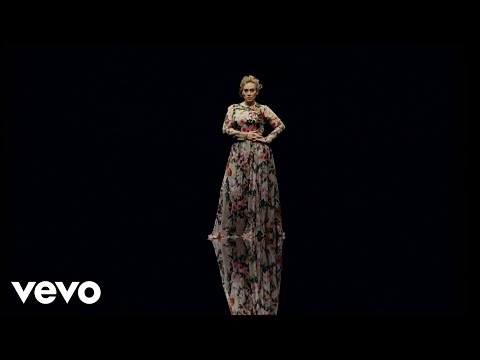
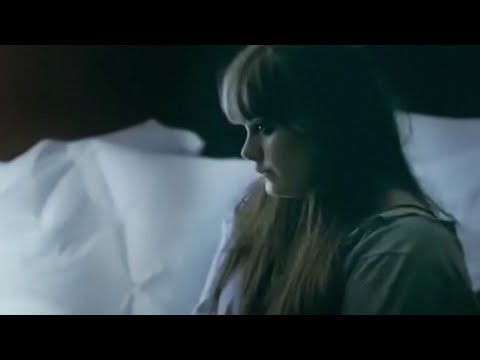
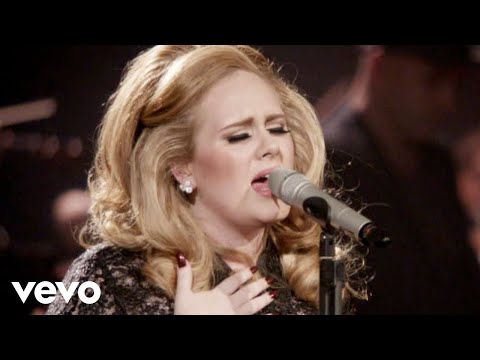
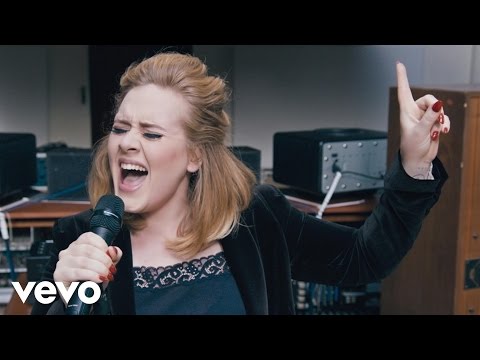
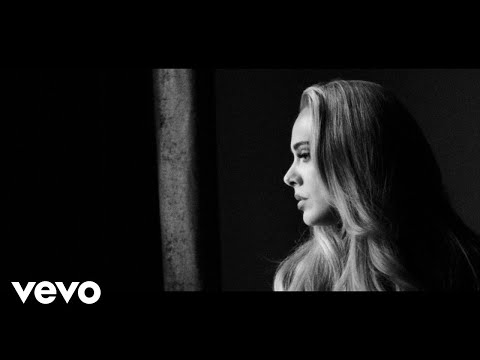
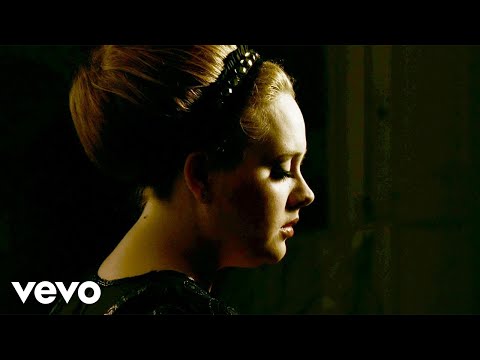
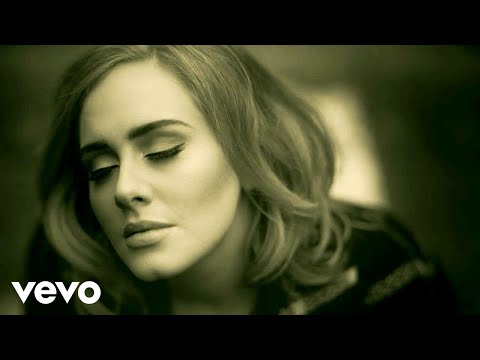
1“I Drink Wine,” the closing track on Adele’s 2021 album 30, received its official music video in October 2022, directed by Joe Talbot and featuring the singer floating down a stylized river in a shimmering gold gown while grappling with themes of ego, authenticity, and societal pressure. The seven-minute visual, dense with symbolic imagery—from synchronized swimmers to discarded wine bottles—functions as both a personal meditation and a broader commentary on the contradictions of modern life. As of mid-2026, the video remains a touchstone in discussions about mental health, self-acceptance, and the commodification of vulnerability in pop culture.
While not released as a commercial single, “I Drink Wine” has accumulated significant cultural capital, with its lyrics and visuals frequently referenced in therapy sessions, self-help content, and academic analyses of millennial and Gen-Z existential fatigue. The song’s exploration of disillusionment, performative success, and the search for “something real” resonates deeply in an era defined by algorithmic identity, gig economy precarity, and AI-mediated relationships.
Critical Analysis: The Dual Impact of “I Drink Wine”
Very Positive Impacts
1. Emotional Honesty and Mental Health Advocacy
The song’s lyrics—“I hope I learn to get over myself, stop trying to be somebody else”—articulate a universal struggle with self-worth and external validation that has made it a staple in mental health discourse. Therapists and counselors cite the track in sessions focused on imposter syndrome, social media fatigue, and the pressure to perform success in a hyper-connected world. In 2026, wellness apps and mindfulness platforms continue to license the song for guided meditations and journaling prompts aimed at fostering self-compassion and authenticity.
2. Artistic Ambition and Visual Storytelling
The official video’s elaborate symbolism—Adele floating down a “river of thoughts,” surrounded by choreographed swimmers and surreal vignettes—elevates the track beyond a standard pop ballad into a piece of cinematic art. Directed by Joe Talbot, known for his work with The Last Shadow Puppets and Florence + The Machine, the video employs a baroque aesthetic reminiscent of 1970s concept albums and art-house cinema. This ambition has influenced a new generation of directors and artists to prioritize narrative depth and visual metaphor in music videos, even in an era dominated by short-form, algorithm-driven content.
3. Cultural Critique of Performative Success
The song’s critique of societal expectations—“They say to play hard you work hard, find balance in the sacrifice, yet I don’t know anybody who’s truly satisfied”—resonates with audiences disillusioned by hustle culture and the myth of meritocracy. In 2026, as debates about work-life balance, burnout, and the gig economy intensify, “I Drink Wine” is frequently cited in op-eds, podcasts, and even corporate wellness initiatives as a cultural artifact that names the emotional cost of late-capitalist productivity.
Very Negative Critiques
1. Self-Indulgence and Elitist Framing
Critics argue that the song’s confession of existential fatigue—delivered by one of the world’s wealthiest and most celebrated artists—risks sounding tone-deaf to audiences facing material hardship. The imagery of Adele floating in a golden gown, sipping wine while surrounded by choreographed performers, can be read as a literalization of elite detachment from the struggles of everyday life. In 2026, as economic inequality deepens globally, this aesthetic has sparked debates about whether pop stars can authentically critique systems from which they disproportionately benefit.
2. Ambiguity Masking Structural Critique
While the song names the problem—“Why am I obsessing about things I can’t control? Why am I seeking approval from people I don’t even know?”—it offers no clear path toward systemic change, focusing instead on individual introspection. Some cultural theorists contend that this framing reinforces neoliberal narratives that locate solutions in personal growth rather than collective action. In an era of housing crises, climate emergency, and AI-driven labor displacement, the song’s inward focus can feel insufficient to audiences demanding structural accountability.
3. Commercialization of Vulnerability
The song’s raw emotional content has been commodified across multiple sectors—from wellness apps to AI voice synthesis projects—raising ethical questions about consent and artistic ownership. As of 2026, Adele’s legal team actively monitors and litigates against unauthorized use of “I Drink Wine” in AI training datasets, deepfake recreations, and commercial licensing deals that exploit her emotional labor without compensation. This ongoing battle highlights the broader tension between artistic authenticity and the extractive logic of digital capitalism.
Real-World Contribution Across Sectors
Mental Health and Wellness
Therapists and counselors incorporate the song into sessions focused on self-acceptance, social media fatigue, and the pressure to perform success. Wellness platforms license the track for guided meditations, journaling prompts, and emotional regulation modules aimed at fostering authenticity and self-compassion.
Music视频 and Visual Arts
The video’s baroque symbolism and cinematic ambition have influenced a new generation of directors to prioritize narrative depth and visual metaphor in music videos, even in an era dominated by short-form content. It is frequently taught in film and media studies programs as a case study in how to translate lyrical themes into visual language.
Education and Cultural Studies
University courses on pop culture, sociology, and media ethics analyze “I Drink Wine” as a text that encapsulates early-2020s anxieties about identity, authenticity, and societal pressure. Its lyrics are cited in op-eds, podcasts, and even corporate wellness initiatives as a cultural artifact that names the emotional cost of late-capitalist productivity.
Technology and AI Ethics
The song’s emotional directness and vocal clarity have made it a benchmark for AI voice synthesis and deepfake detection projects. This has sparked legal and ethical debates about artistic rights, consent, and the future of human performance in a machine-learning era. As of 2026, Adele’s estate actively litigates against unauthorized AI recreations of her voice and performance style.
Final Perspective
“I Drink Wine” is more than a closing track—it is a cultural artifact that reflects and shapes the emotional landscape of the 2020s. While critiques about self-indulgence and structural ambiguity are valid, they do not diminish the song’s profound impact on listeners, industries, and societal conversations. In 2026, Adele’s work remains a reference point for what pop music can achieve when technical mastery, lyrical honesty, and visual ambition converge.