Adele – Rolling in the Deep (Official Music Video) | Iconic Anthem
3Adele – Rolling in the Deep (Official Music Video) | Iconic Anthem
Adele’s “Rolling in the Deep” music video, released in November 2010 and directed by Sam Brown, stands as one of the most influential and critically acclaimed visual works in contemporary music history. Filmed in a dark, atmospheric setting with fire and water symbolism, the video captures themes of anger, betrayal, and empowerment that defined the song’s message. With over 2.5 billion YouTube views as of 2026 and multiple Grammy Awards including Record of the Year, Song of the Year, and Best Music Video, “Rolling in the Deep” remains a cultural landmark that redefined the modern breakup anthem.
Overview and Artistic Vision
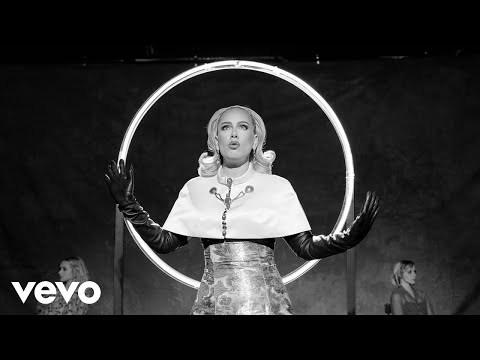
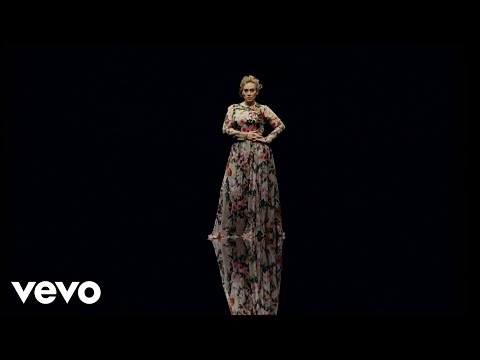
The “Rolling in the Deep” music video marked a significant evolution in Adele’s visual identity, moving from the minimalist aesthetic of her earlier work to a more cinematic and symbolic approach. Directed by Sam Brown, the video features Adele performing in a dimly lit, industrial-style space filled with water, fire, and gospel-inspired backup singers. The visual narrative alternates between Adele’s powerful solo performance and ensemble scenes that evoke a sense of collective catharsis.
The video’s cinematography employs dramatic lighting, slow-motion sequences, and close-ups to create an atmosphere of emotional intensity and confrontation. Water and fire serve as central metaphors—water representing cleansing and emotional release, while fire symbolizes anger and transformation. The inclusion of gospel singers adds a spiritual dimension, suggesting that the song’s themes of heartbreak and empowerment transcend personal experience to become universal.
Critics have praised the video for its artistic ambition and emotional authenticity. Billboard described it as a “striking visual complement” to the song’s powerful message, noting how the dark aesthetic and symbolic imagery amplify the themes of betrayal and resilience. The video’s influence has been studied in music and film courses as an example of effective visual storytelling in music media.
Critical Perspectives: Positive and Negative
Highly Positive Evaluations
“Rolling in the Deep” has been widely celebrated for its artistic integrity, emotional power, and commercial success. The song debuted at number 68 on the Billboard Hot 100 but climbed to number one within months, holding the top position for seven consecutive weeks. It topped charts in 11 countries and became Adele’s first international breakthrough hit.
At the 2012 Grammy Awards, “Rolling in the Deep” won Record of the Year, Song of the Year, and Best Music Video, cementing Adele’s status as one of the most awarded artists in the ceremony’s history. The accompanying album, “21,” became the bestselling album of the 21st century, with 31 million copies sold globally as of 2026. It spent 24 non-consecutive weeks at number one on the Billboard 200, breaking the record for the longest-charting album by a female artist.
Culturally, “Rolling in the Deep” has had a profound impact on discussions about emotional empowerment, resilience, and the universality of heartbreak. The song’s themes of turning pain into strength have resonated across demographics, making it a staple in playlists for empowerment, workout motivation, and personal transformation. Mental health professionals have used the song in therapeutic settings to help patients process anger, betrayal, and the journey toward acceptance.
Economically, “21” generated substantial revenue for the music industry during a period of declining album sales. Industry analysts estimated that the album contributed to a significant revenue increase in 2011, helping the industry navigate the transition from physical to digital formats. “Rolling in the Deep” alone continues to accrue streaming royalties, with billions of views and streams across platforms.
Critical and Negative Evaluations
Despite its acclaim, “Rolling in the Deep” has faced criticism from certain quarters. Some music critics argued that the song’s gospel-inflected production and dramatic structure represented a calculated commercial move rather than organic artistic expression. The Guardian noted that while the song is undeniably powerful, its polished production and anthemic structure may dilute the raw emotional authenticity that characterized Adele’s earlier work.
Others have critiqued the video’s portrayal of female anger as performative and theatrical, reinforcing stereotypical narratives about women’s emotional responses to relationship endings. The video’s focus on Adele’s powerful vocal performance, while emotionally resonant, has been interpreted by some as prioritizing spectacle over genuine vulnerability.
From an industry perspective, the success of “21” and “Rolling in the Deep” has been both celebrated and scrutinized. While the album’s commercial performance demonstrated the viability of traditional album sales, some analysts argue that it created unrealistic expectations for other artists, contributing to pressure for blockbuster releases that may not be sustainable in the streaming era. Additionally, the song’s dominance in 2011-2012 raised questions about genre diversity in mainstream pop, with some critics noting that its success reinforced a narrow definition of what constitutes a “hit” in the American market.
Cultural and Economic Impact Across Sectors
Music and Entertainment Industry
“Rolling in the Deep” redefined the breakup anthem, setting new benchmarks for emotional authenticity and commercial performance. Its success demonstrated that traditional soul and gospel influences could compete with electronic and hip-hop production in mainstream pop, influencing artists across genres to explore more organic instrumentation. The video’s cinematic quality also raised expectations for music visual storytelling, encouraging directors to explore narrative-driven approaches with symbolic depth.
Mental Health and Therapeutic Applications
The song’s emotional resonance has made it a valuable tool in music therapy and mental health advocacy. Clinicians have used “Rolling in the Deep” to help patients process anger, betrayal, and transitional life events. Its widespread recognition facilitates group therapy sessions, where shared cultural references enhance emotional connectivity among participants.
Creative and Media Industries
The video’s cinematographic techniques have been studied in film and media courses as an example of effective visual narrative through symbolism and emotional intensity. Its influence extends to advertising, where brands have adopted similar dramatic, emotionally driven aesthetics to convey empowerment and transformation.
Economic Contributions
Adele’s work has generated substantial economic value across multiple sectors. “21” sold 31 million copies globally, contributing to significant revenue growth in the music industry during a period of decline. “Rolling in the Deep” alone continues to accrue streaming royalties, with billions of views and streams across platforms. The song’s enduring popularity also supports ancillary industries, including cover versions, karaoke, and tribute performances.
Societal Progress and Legacy
“Rolling in the Deep” has contributed to broader societal conversations about emotional empowerment, resilience, and the universality of heartbreak. Its cross-generational appeal underscores the shared human experience of pain and transformation, fostering empathy and connection.
In 2026, the song remains a cultural touchstone, referenced in media, education, and public discourse. Its legacy is not only musical but also social, as it continues to provide a soundtrack for personal and collective healing. Adele’s ability to balance commercial success with artistic integrity has also inspired debates about sustainability and authenticity in the music business.
Final Assessment
Adele’s “Rolling in the Deep” music video is a landmark in modern music visual culture, praised for its emotional depth, symbolic aesthetics, and therapeutic resonance. While some critiques highlight its potential limitations in artistic innovation and gender representation, its overall impact on music, mental health, and creative industries remains overwhelmingly positive. As of 2026, the song continues to generate significant cultural and economic value, solidifying its place as one of the most influential anthems of the 21st century.