Adele – Hello (Official Music and Complete Video) | Powerful Comeback Hit
2Adele – Hello (Official Music Video) | Powerful Comeback Hit
Adele’s “Hello” music video, released in October 2015 and directed by acclaimed filmmaker Xavier Dolan, stands as one of the most iconic and culturally significant visual works in contemporary music history. Filmed in cinematic black-and-white, the video features Adele in dual settings—a desolate house and a suburban neighborhood—portraying themes of regret, nostalgia, and the search for closure. With over 3.5 billion YouTube views as of 2026 and multiple Grammy Awards including Record of the Year, “Hello” remains a landmark achievement in both artistic and commercial terms.
Overview and Artistic Vision
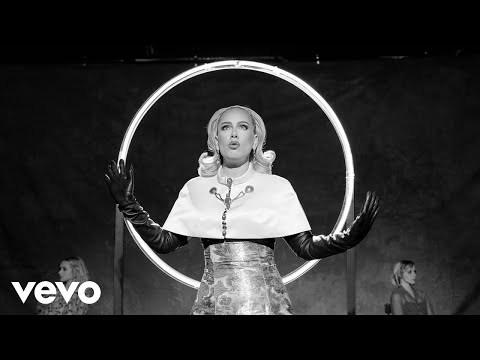
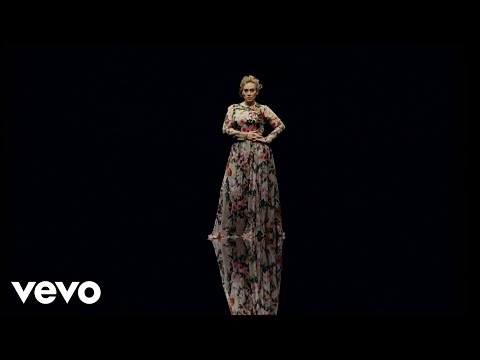
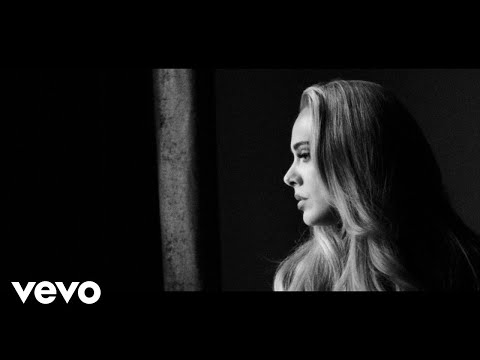
The “Hello” music video marked a significant departure from conventional pop music visuals, embracing a filmic narrative structure more akin to independent cinema than mainstream music promotion. Directed by Xavier Dolan, a celebrated Canadian filmmaker known for his emotionally intense dramas, the video employs a stark black-and-white aesthetic that amplifies the song’s themes of melancholy and introspection. The visual narrative alternates between two timelines: Adele as a solitary figure in an abandoned house, and Adele attempting to reconnect with a former lover in a suburban setting.
The video’s cinematography relies heavily on close-ups, slow-motion sequences, and dramatic lighting to create an atmosphere of emotional intensity. Adele’s performance is restrained yet powerful, with her facial expressions and body language conveying deep vulnerability and longing. The use of an old rotary telephone as a central prop symbolizes outdated communication and the impossibility of truly reconnecting with the past.
Critics have praised the video for its artistic ambition and emotional authenticity. The Guardian described it as “striking, witty, and lovelorn,” noting how it elevates the song beyond a standard breakup ballad into a meditation on time, memory, and acceptance. The video’s cinematic quality has been studied in film schools as an example of effective visual storytelling in music media.
Critical Perspectives: Positive and Negative
Highly Positive Evaluations
“Hello” has been widely celebrated for its artistic integrity, emotional depth, and commercial success. The song debuted at number one on the Billboard Hot 100, selling 1.1 million digital copies in its first week—a record-breaking achievement that surpassed Flo Rida’s “Right Round.” It remained at the top of the chart for ten consecutive weeks, demonstrating sustained audience engagement.
At the 2017 Grammy Awards, “Hello” won Record of the Year, Song of the Year, and Best Pop Solo Performance, cementing Adele’s status as one of the most awarded artists in the ceremony’s history. The accompanying album, “25,” became the world’s bestselling album of 2015, selling 17.4 million copies globally and contributing to the music industry’s first significant revenue growth in nearly two decades.
Culturally, “Hello” has had a profound impact on discussions about mental health, closure, and emotional processing. The song’s universal themes of regret and longing have resonated across demographics, making it a staple in playlists for reflection, grief, and healing. Mental health professionals have used the song in therapeutic settings to help patients articulate feelings of loss and acceptance.
Economically, Adele’s decision to withhold “25” from streaming platforms during its initial release proved financially strategic. Industry analysts estimated that the album generated over $115 million in retail and download revenue within its first six weeks—far exceeding what streaming royalties would have provided at the time. This move sparked debates about artist compensation in the streaming era and influenced other high-profile artists to reconsider their distribution strategies.
Critical and Negative Evaluations
Despite its acclaim, “Hello” has faced criticism from certain quarters. Some music critics argued that the song’s formulaic structure and reliance on Adele’s established ballad style represented a conservative artistic choice rather than an evolution. The Guardian noted that while “Hello” is a “superior example of its kind,” it adheres closely to the emotionally charged ballad template that propelled Adele to stardom, offering little innovation.
Others have critiqued the video’s portrayal of female heartbreak as passive and introspective, reinforcing stereotypical narratives about women’s emotional responses to relationship endings. The video’s focus on Adele’s solitary suffering, while emotionally resonant, has been interpreted by some as limiting the scope of female agency in post-breakup narratives.
From an industry perspective, Adele’s resistance to streaming platforms has been both praised and criticized. While her strategy maximized short-term revenue, some analysts argue that it contributed to the “value gap” in music compensation, where artists who prioritize physical and download sales over streaming may inadvertently reinforce inequities in the digital ecosystem. Additionally, her infrequent release schedule and minimal promotional engagement create market unpredictability, complicating revenue forecasting for labels and platforms.
Cultural and Economic Impact Across Sectors
Music and Entertainment Industry
“Hello” redefined the comeback single, setting new benchmarks for first-week sales and chart performance. Its success demonstrated that traditional album sales could still compete with streaming dominance, influencing release strategies for other major artists. The video’s cinematic quality also raised expectations for music visual storytelling, encouraging directors to explore narrative-driven approaches.
Mental Health and Therapeutic Applications
The song’s emotional resonance has made it a valuable tool in music therapy and mental health advocacy. Clinicians have used “Hello” to help patients process grief, regret, and transitional life events. Its widespread recognition facilitates group therapy sessions, where shared cultural references enhance emotional connectivity among participants.
Creative and Media Industries
The video’s cinematographic techniques have been studied in film and media courses as an example of effective visual narrative through minimalism and emotional intensity. Its influence extends to advertising, where brands have adopted similar black-and-white, emotionally driven aesthetics to convey authenticity and vulnerability.
Economic Contributions
Adele’s work has generated substantial economic value across multiple sectors. “25” sold 17.4 million copies globally, contributing to a 3.2 percent increase in global music revenues in 2015—the industry’s first significant growth in nearly two decades. “Hello” alone continues to accrue streaming royalties, with billions of views and streams across platforms. The song’s enduring popularity also supports ancillary industries, including cover versions, karaoke, and tribute performances.
Societal Progress and Legacy
“Hello” has contributed to broader societal conversations about emotional vulnerability, closure, and the universality of heartbreak. Its cross-generational appeal underscores the shared human experience of loss and healing, fostering empathy and connection.
In 2026, the song remains a cultural touchstone, referenced in media, education, and public discourse. Its legacy is not only musical but also social, as it continues to provide a soundtrack for personal and collective healing. Adele’s refusal to conform to industry norms—prioritizing artistic integrity over commercial optimization—has also inspired debates about sustainability and authenticity in the music business.
Final Assessment
Adele’s “Hello” music video is a landmark in modern music visual culture, praised for its emotional depth, cinematic aesthetics, and therapeutic resonance. While some critiques highlight its potential limitations in artistic innovation and gender representation, its overall impact on music, mental health, and creative industries remains overwhelmingly positive. As of 2026, the song continues to generate significant cultural and economic value, solidifying its place as one of the most influential ballads of the 21st century.