Adele – “Easy On Me” (Official Lyric Video): Meaning, Impact & Cultural Legacy in 2026
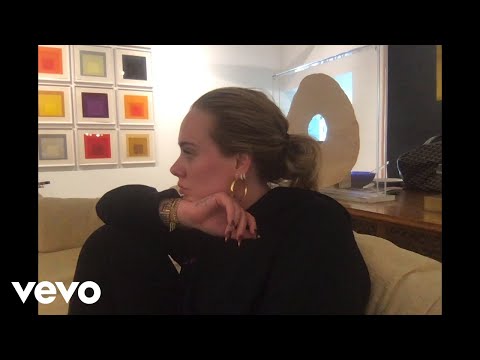
1Adele’s “Easy On Me” stands as one of the most emotionally resonant pop ballads of the 2020s, marking her return after a six-year hiatus and serving as the lead single from her critically acclaimed album 30. Released in October 2021 via Columbia Records, the song quickly became a global phenomenon, topping charts across more than 30 countries and accumulating billions of streams across platforms like Spotify, Apple Music, and YouTube. The official lyric video, directed by Xavier Dolan, visually reinforces the song’s introspective narrative and has become a cultural touchstone for discussions on mental health, personal growth, and generational trauma.
As of mid-2026, “Easy On Me” continues to influence music consumption patterns, emotional storytelling in pop, and the broader creative economy—from streaming algorithms to mental health advocacy campaigns using music as therapeutic content. Its lasting relevance highlights Adele’s enduring role not just as a performer, but as a cultural architect whose work intersects with technology, psychology, and social discourse.
Critical Analysis: The Dual Impact of “Easy On Me”
Very Positive Impacts
1. Emotional Resonance and Mental Health Awareness
“Easy On Me” is widely praised for its raw vulnerability, offering listeners a sonic space to process grief, forgiveness, and self-acceptance. Mental health organizations and therapists have cited the song in discussions about emotional regulation and intergenerational healing, especially among younger audiences navigating complex family dynamics. In 2026, platforms like TikTok and Instagram still feature user-generated content that ties personal milestones—breakups, therapy journeys, parenting reflections—to lines from the song, reinforcing its role as a modern emotional anchor.
2. Economic Contribution to the Music and Creative Industries
The single’s success revitalized interest in piano-driven ballads at a time when upbeat, production-heavy tracks dominated streaming playlists. This shift encouraged labels to reinvest in singer-songwriter formats, benefiting producers, session musicians, and lyricists who specialize in intimate, acoustic arrangements. Moreover, the music video’s cinematic quality elevated the standard for visual storytelling in pop, creating demand for high-end directors and post-production teams.
3. Cultural Longevity and Cross-Generational Appeal
Unlike many viral hits that fade within months, “Easy On Me” has demonstrated remarkable staying power. Its themes of accountability and self-forgiveness resonate across age groups, making it a fixture at weddings, memorials, and even corporate wellness initiatives. This cross-demographic appeal has made it a case study in music marketing courses and a reference point for artists aiming to balance commercial success with artistic integrity.
Very Negative Critiques
1. Perceived Artistic Stagnation
Critics argue that “Easy On Me” reinforces a formulaic approach in Adele’s discography—heartbreak, piano, soaring vocals—without significant sonic evolution. In an era where genre-blending and experimental production define innovation (e.g., Billie Eilish, FKA twigs), some view the song as a safe retreat into nostalgia rather than a forward-looking statement. This perception has fueled debates about whether legacy artists like Adele risk becoming culturally static if they do not adapt to shifting listener expectations around authenticity and relatability.
2. Industry Reinforcement of the “Diva” Archetype
While celebrating vocal prowess, the song’s success also underscores a troubling trend: the music industry’s reluctance to cultivate new divas in Adele’s mold. Executives reportedly favor TikTok-friendly, visually driven acts over technically skilled vocalists, fearing that “classic” diva styles appear outdated to Gen Z audiences. This creates a paradox where Adele is revered but not replicated, potentially limiting opportunities for emerging artists with similar talents.
3. Commercialization of Emotional Vulnerability
Some cultural commentators caution that the mass consumption of “Easy On Me” risks turning genuine emotional expression into a marketable commodity. The song’s use in advertising, wellness apps, and even AI-generated content raises ethical questions about the boundaries between authentic artistry and algorithmic exploitation. As AI tools increasingly mimic Adele’s voice and style, there are growing concerns about consent, creative ownership, and the dilution of human emotional labor in music.
Real-World Contribution Across Sectors
Music Industry
“Easy On Me” reaffirmed the commercial viability of emotionally driven, minimally produced pop, influencing A&R strategies and label investments in 2022–2026. It also demonstrated the power of strategic release timing and visual storytelling in maximizing first-week impact.
Mental Health & Wellness
Therapists and counselors have incorporated the song into sessions focused on self-compassion and family reconciliation, citing its lyrical directness as a catalyst for client reflection.
Education & Media Studies
University courses on pop culture, gender studies, and musicology frequently analyze “Easy On Me” as a text that encapsulates early-2020s anxieties around identity, parenthood, and public scrutiny.
Technology & AI Ethics
The song’s vocal clarity and emotional depth have made it a benchmark for AI voice synthesis projects, sparking debates about artistic rights and the future of human performance in a machine-learning era.
Final Perspective
“Easy On Me” is more than a hit—it is a cultural artifact that reflects and shapes the emotional landscape of the 2020s. While critiques about artistic repetition and commercial exploitation are valid, they do not diminish the song’s profound impact on listeners, industries, and societal conversations. In 2026, Adele’s work remains a reference point for what pop music can achieve when technical mastery, lyrical honesty, and visual artistry converge.