Adele – Set Fire to the Rain (Official Video) | Dramatic Ballad
1Adele – Set Fire to the Rain (Official Video)
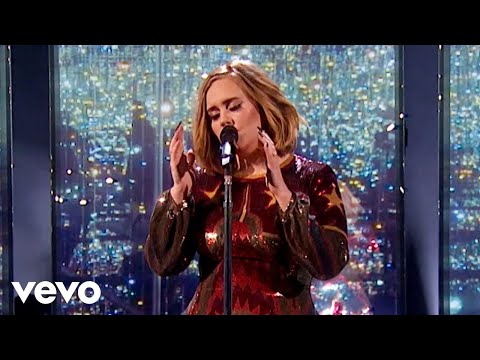
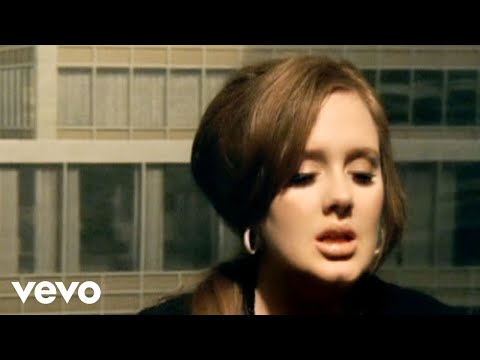
Adele’s “Set Fire to the Rain” stands as one of the most emotionally charged and commercially successful singles from her landmark 2011 album “21,” delivering a powerful exploration of heartbreak, betrayal, and cathartic release. Although no traditional narrative music video was officially released, live performances from “Live at the Royal Albert Hall” and other televised appearances have become the de facto visual representations of the song, accumulating hundreds of millions of views across YouTube and streaming platforms as of 2026. The song topped charts in over 15 countries, became Adele’s third consecutive number-one single from “21” on the Billboard Hot 100, and remains a cultural touchstone for discussions about emotional vulnerability and relationship dissolution.
Overview and Artistic Vision
“Set Fire to the Rain” was written by Adele and Fraser T. Smith, who also produced the track for “21.” The song blends acoustic instrumentation—piano, drums, bass, and a sweeping string section—with Adele’s powerhouse vocal performance, creating a mid-tempo ballad that builds tension from its opening notes to an explosive, emotionally cathartic chorus. Lyrically, the song explores the paradoxical experience of loving someone who has caused deep pain, using the metaphor of setting fire to rain to convey the impossibility and futility of trying to destroy something that cannot be burned.
The song’s title and central metaphor have been widely analyzed for their symbolic richness. Fire represents anger, transformation, and the desire for release, while rain symbolizes sadness, tears, and the inevitability of emotional pain. The act of “setting fire to the rain” becomes an impossible gesture—a recognition that some emotions cannot be extinguished or controlled, no matter how intensely one tries. This lyrical complexity has made the song a subject of academic and cultural analysis, with scholars noting its poetic precision and emotional depth.
Live performances of the song, particularly from “Live at the Royal Albert Hall,” have become iconic in their own right. Adele’s vocal delivery in these settings emphasizes raw emotion over technical perfection, with her voice cracking and soaring in ways that convey the pain and anger embedded in the lyrics. The absence of a traditional music video has allowed these live performances to serve as the primary visual reference, creating an intimate connection between Adele and her audience.
Critical Perspectives: Positive and Negative
Highly Positive Evaluations
“Set Fire to the Rain” has been widely celebrated for its emotional power, vocal performance, and commercial success. The song debuted at number 17 on the Billboard Hot 100 and climbed to number one within weeks, holding the top position for two consecutive weeks. It became Adele’s third consecutive number-one single from “21,” following “Rolling in the Deep” and “Someone Like You,” cementing her status as a dominant force in contemporary pop music.
Critics have praised the song’s production, lyrical depth, and Adele’s vocal performance. PopCrush described it as “a salve to soothe the so-deep-it-reaches-marrow pain of heartbreak,” noting how the song’s lush orchestration and Adele’s emotionally raw delivery create a shared experience of emotional devastation between artist and listener. The song’s ability to balance anger and vulnerability has been highlighted as a key factor in its widespread appeal.
Culturally, “Set Fire to the Rain” has resonated deeply with listeners navigating relationship endings, betrayal, and the psychological challenges of letting go. Mental health professionals have used the song in therapeutic settings to help patients process anger, grief, and the acceptance of emotional impermanence. Its universal themes have made it a staple in playlists for heartbreak, empowerment, and emotional catharsis.
Economically, “21” generated unprecedented revenue for the music industry during a period of declining album sales. The album sold over 31 million copies globally as of 2026, making it the bestselling album of the 21st century. “Set Fire to the Rain” alone continues to accrue streaming royalties, with hundreds of millions of streams across platforms. The song’s enduring popularity also supports ancillary industries, including cover versions, karaoke, and tribute performances.
Critical and Negative Evaluations
Despite its acclaim, “Set Fire to the Rain” has faced criticism from certain quarters. Some music critics argued that the song’s metaphorical language is overly dramatic and occasionally nonsensical. Ranting About Music noted that the line “I set fire to the rain” is “bizarre” and difficult to interpret literally, questioning what real-life experience could lead to such imagery. The same review suggested that the song ranks lower than other tracks on “21” in terms of overall quality, describing it as “somewhere on the low side” of the album’s standout songs.
Others have critiqued the song’s production as occasionally cluttered, with the orchestral elements competing with Adele’s voice rather than supporting it. The transition from verse to chorus has been described as “clumsy” by some critics, who argue that the music’s rise to match Adele’s vocal intensity sometimes diminishes her perceived power.
From a thematic perspective, some analysts have noted that the song’s focus on romantic betrayal and emotional dependency reinforces conventional narratives about women’s relationships and emotional fulfillment. The lyrics’ emphasis on needing a deceptive partner despite knowing their untrustworthiness has been interpreted by some as perpetuating problematic ideas about love and self-sacrifice.
Cultural and Economic Impact Across Sectors
Music and Entertainment Industry
“Set Fire to the Rain” reinforced Adele’s reputation as a master of emotionally direct songwriting and vocal performance. The song’s success demonstrated that traditional ballads with orchestral production could compete with electronic and hip-hop-influenced pop in mainstream charts. Live performances of the song have become reference points for vocal authenticity, influencing other artists to prioritize emotional delivery over technical perfection.
Mental Health and Therapeutic Applications
The song’s emotional resonance has made it a valuable tool in music therapy and mental health advocacy. Clinicians have used “Set Fire to the Rain” to help patients process anger, grief, and the acceptance of emotional impermanence. Its widespread recognition facilitates group therapy sessions, where shared cultural references enhance emotional connectivity among participants.
Creative and Media Industries
The song’s live performances have been studied in film and media courses as examples of effective visual storytelling through vocal expression and emotional intensity. Its influence extends to advertising, where brands have adopted similar emotionally driven aesthetics to convey authenticity and vulnerability.
Economic Contributions
Adele’s work has generated substantial economic value across multiple sectors. “21” sold over 31 million copies globally, contributing to significant revenue growth in the music industry during a period of decline. “Set Fire to the Rain” alone continues to accrue streaming royalties, with hundreds of millions of streams across platforms. The song’s enduring popularity also supports ancillary industries, including cover versions, karaoke, and tribute performances.
Societal Progress and Legacy
“Set Fire to the Rain” has contributed to broader societal conversations about emotional vulnerability, betrayal, and the universal experience of heartbreak. Its cross-generational appeal underscores the shared human experience of love, loss, and acceptance, fostering empathy and connection.
In 2026, the song remains a cultural touchstone, referenced in media, education, and public discourse. Its legacy is not only musical but also social, as it continues to provide a soundtrack for personal and collective healing. Adele’s ability to balance commercial success with artistic integrity has also inspired debates about sustainability and authenticity in the music business.
Final Assessment
Adele’s “Set Fire to the Rain” is a landmark in modern ballad culture, praised for its emotional depth, vocal mastery, and therapeutic resonance. While some critiques highlight its potential limitations in lyrical clarity and thematic scope, its overall impact on music, mental health, and creative industries remains overwhelmingly positive. As of 2026, the song continues to generate significant cultural and economic value, solidifying its place as one of the most influential ballads of the 21st century.