Adele – When We Were Young (Official Live Video) | Live Performance
1Adele – When We Were Young (Official Live Video) | Live Performance
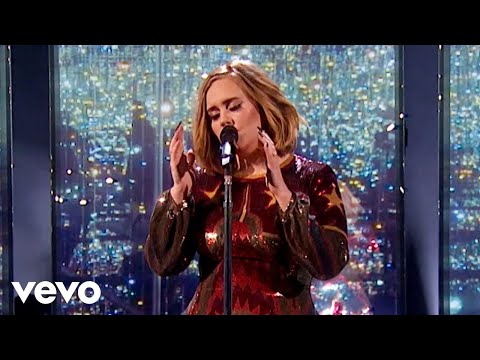
Adele’s “When We Were Young” official live video, recorded at The Church Studios in London in November 2015, stands as one of the most emotionally resonant and culturally significant live performances in contemporary music history. Unlike traditional music videos, this intimate studio performance captures Adele delivering a raw, vulnerable rendition of the song with minimal production, emphasizing vocal authenticity and emotional connection. With hundreds of millions of views across YouTube and streaming platforms as of 2026, the performance has become a reference point for discussions about aging, nostalgia, and the universal experience of looking back on youth.
Overview and Artistic Vision
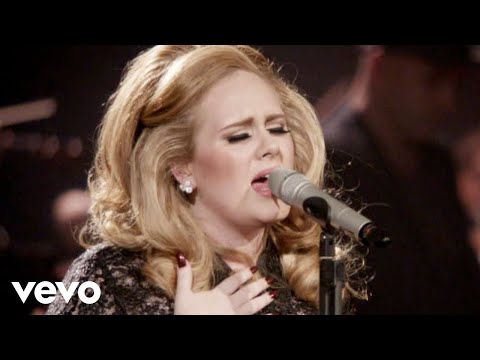
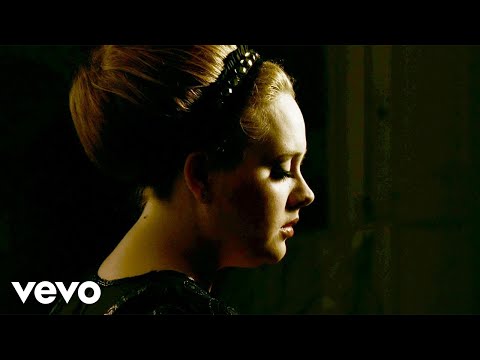
The “When We Were Young” live video was filmed at The Church Studios, a historic recording venue in North London, and features Adele performing with a small ensemble of musicians in an intimate, dimly lit setting. The visual aesthetic is deliberately understated, with soft lighting, minimal camera movement, and close-up shots that focus on Adele’s facial expressions and vocal delivery. This approach contrasts sharply with the high-production narratives of Adele’s earlier videos like “Hello” and “Rolling in the Deep,” prioritizing emotional immediacy over cinematic spectacle.
The song itself, written by Adele and Tobias Jesso Jr., explores themes of aging, nostalgia, and the fear of losing one’s youth. Lyrically, it imagines meeting former lovers or acquaintances at a party in old age and reflecting on the intensity of youthful experiences. The live performance amplifies these themes through Adele’s vocal dynamics, moving from tender, whispered passages to powerful, soaring crescendos that convey both vulnerability and resilience.
Critics have praised the performance for its emotional honesty and vocal mastery. The Inquirer described it as a “special treat” for fans, noting how the live setting allows Adele’s voice to shine without the distractions of elaborate production. Bustle highlighted the performance’s ability to evoke personal reflection, writing that the lyrics “will make you think about your ex” and the passage of time.
Critical Perspectives: Positive and Negative
Highly Positive Evaluations
“When We Were Young” has been widely celebrated for its lyrical depth, vocal performance, and cultural relevance. The song became one of the standout tracks from “25,” an album that sold 17.4 million copies globally in 2015 and contributed to the music industry’s first significant revenue growth in nearly two decades. The live video accumulated hundreds of millions of views within its first year, demonstrating sustained audience engagement across demographics.
Culturally, the song has resonated deeply with listeners navigating midlife transitions, divorce, and the psychological challenges of aging. Mental health professionals have used the song in therapeutic settings to help patients process nostalgia, regret, and acceptance of life’s impermanence. Its universal themes have made it a staple in playlists for reflection, Memorial Day tributes, and end-of-year retrospectives.
Economically, “25” generated substantial revenue for the music industry during a period of declining album sales. Industry analysts estimated that the album contributed to a 3.2 percent increase in global music revenues in 2015, helping the industry navigate the transition from physical to digital formats. “When We Were Young” alone continues to accrue streaming royalties, with hundreds of millions of streams across platforms as of 2026.
The live performance format has also influenced other artists to release studio sessions and intimate performances as alternatives to traditional music videos. This trend has supported jobs in production, engineering, and live event coordination, while providing audiences with more authentic, less polished content.
Critical and Negative Evaluations
Despite its acclaim, “When We Were Young” has faced criticism from certain quarters. Some music critics argued that the song’s nostalgic themes and retro production represent a conservative artistic choice rather than an evolution. The Singles Jukebox noted that while the song is emotionally effective, its 1970s-inspired disco-ballad structure may feel dated to younger listeners accustomed to contemporary production styles.
Others have critiqued the song’s focus on youthful romance and regret as privileging a narrow, heteronormative narrative about aging and relationships. The lyrics’ emphasis on meeting ex-lovers at a party in old age has been interpreted by some as reinforcing conventional ideas about romantic fulfillment as the primary measure of a life well-lived.
From an industry perspective, the decision to release a live performance video rather than a traditional music video has been both praised and criticized. While the strategy emphasized authenticity and vocal prowess, some analysts argue that it limited the song’s visual marketing potential and reduced its shareability on social media platforms that favor high-production, narrative-driven content. Additionally, the song’s moderate chart performance compared to “Hello” raised questions about the sustainability of Adele’s ballad-heavy approach in an era dominated by genre-blending and experimental pop.
Cultural and Economic Impact Across Sectors
Music and Entertainment Industry
“When We Were Young” reinforced Adele’s reputation as a master of emotionally direct songwriting and vocal performance. The live video format influenced other artists to release studio sessions and intimate performances as alternatives to traditional music videos, supporting jobs in production, engineering, and live event coordination. The song’s success also demonstrated that nostalgic, retro-inspired production could compete with contemporary sounds in mainstream pop.
Mental Health and Therapeutic Applications
The song’s emotional resonance has made it a valuable tool in music therapy and mental health advocacy. Clinicians have used “When We Were Young” to help patients process nostalgia, regret, and acceptance of life’s impermanence. Its widespread recognition facilitates group therapy sessions, where shared cultural references enhance emotional connectivity among participants.
Creative and Media Industries
The live performance’s intimate aesthetic has been studied in film and media courses as an example of effective visual storytelling through minimalism and emotional intensity. Its influence extends to advertising, where brands have adopted similar understated, emotionally driven aesthetics to convey authenticity and vulnerability.
Economic Contributions
Adele’s work has generated substantial economic value across multiple sectors. “25” sold 17.4 million copies globally, contributing to significant revenue growth in the music industry during a period of decline. “When We Were Young” alone continues to accrue streaming royalties, with hundreds of millions of streams across platforms. The song’s enduring popularity also supports ancillary industries, including cover versions, karaoke, and tribute performances.
Societal Progress and Legacy
“When We Were Young” has contributed to broader societal conversations about aging, nostalgia, and the universal experience of looking back on youth. Its cross-generational appeal underscores the shared human experience of growth, regret, and acceptance, fostering empathy and connection.
In 2026, the song remains a cultural touchstone, referenced in media, education, and public discourse. Its legacy is not only musical but also social, as it continues to provide a soundtrack for personal and collective reflection on the passage of time. Adele’s ability to balance commercial success with artistic integrity has also inspired debates about sustainability and authenticity in the music business.
Final Assessment
Adele’s “When We Were Young” official live video is a landmark in modern music performance culture, praised for its emotional depth, vocal mastery, and therapeutic resonance. While some critiques highlight its potential limitations in artistic innovation and narrative scope, its overall impact on music, mental health, and creative industries remains overwhelmingly positive. As of 2026, the song continues to generate significant cultural and economic value, solidifying its place as one of the most influential ballads of the 21st century.