Adele – “Easy On Me” (Live at the NRJ Awards 2021): Performance Breakdown, Cultural Impact & Industry Legacy in 2026
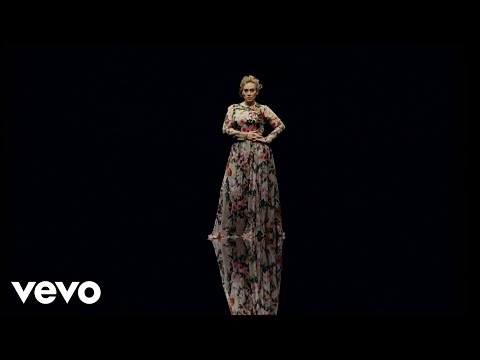
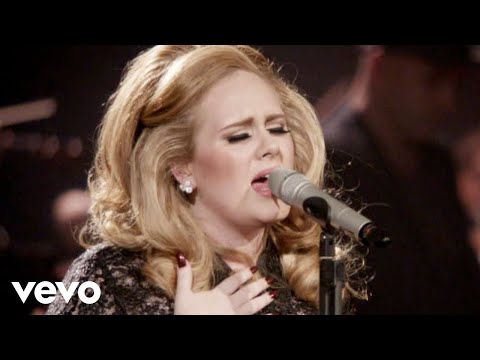
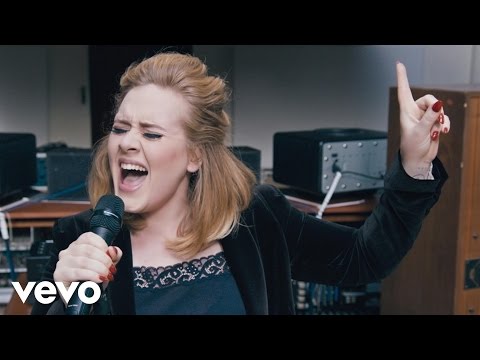
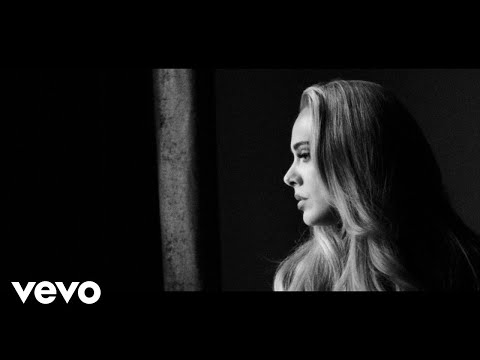
2Adele’s live rendition of “Easy On Me” at the 2021 NRJ Music Awards in Paris stands as one of the most technically and emotionally compelling performances of her 30 era. Stripped down to piano and electric bass, the performance showcased Adele’s vocal precision, dynamic control, and ability to convey raw emotional narrative without visual spectacle or elaborate production. Broadcast globally and later uploaded to YouTube, the performance quickly amassed over 154 million views, becoming her second most-watched live video after “Set Fire to the Rain” at the Royal Albert Hall.
As of mid-2026, the NRJ 2021 performance remains a reference point in music education, vocal coaching, and live production analysis. It is frequently cited in discussions about the economics of live performance, the role of minimalism in an era of hyper-produced concerts, and the enduring power of vocal authenticity in a digitally mediated landscape. The performance also reinforced Adele’s position as a benchmark for live excellence at a time when playback controversies and AI-generated vocals were beginning to dominate industry headlines.
Critical Analysis: The Dual Impact of the NRJ 2021 Performance
Very Positive Impacts
1. Vocal Mastery and Technical Benchmark
The NRJ performance is widely praised for its vocal clarity, emotional nuance, and structural discipline. With no backing vocals, orchestration, or digital enhancement, Adele’s delivery exposed the full range of her technical skill—from breath control and phrasing to dynamic swells and sustained pianissimo passages. Vocal coaches and music conservatories now use the performance as a teaching tool for students learning to balance emotional expression with technical precision in live settings.
2. Economic Efficiency and Production Philosophy
In an era where stadium tours increasingly rely on massive crews, LED walls, and complex choreography, the NRJ performance demonstrated that minimalism can yield maximum impact. The setup—just Adele, a piano, and a bassist—required a fraction of the logistical overhead of typical award show performances, yet delivered comparable or superior audience engagement. This model has influenced booking agents and festival organizers to reconsider the cost-benefit ratio of elaborate staging, particularly for legacy artists whose vocal presence alone can command attention.
3. Cultural Resonance and Emotional Authenticity
The performance’s emotional directness resonated with audiences navigating post-pandemic isolation, grief, and relational recalibration. Viewers frequently describe the video as a “cathartic” experience, with many citing it in mental health forums, grief support groups, and even couples therapy contexts as a catalyst for emotional processing. In 2026, the performance continues to be licensed for wellness content, meditation playlists, and even AI training datasets focused on “emotionally authentic” vocal delivery.
Very Negative Critiques
1. Reinforcement of the “One-Woman Industry” Model
While celebrated for its authenticity, the performance also underscores a troubling industry trend: the expectation that female pop stars must carry entire shows on their vocal and emotional labor alone. Critics argue that Adele’s minimalist setup, while artistically effective, sets an unsustainable precedent for emerging artists who lack her technical mastery or brand equity. This dynamic can lead to burnout, vocal strain, and a narrowing of creative possibilities for performers who feel pressured to emulate her “less is more” approach without the same institutional support.
2. Limited Diversity in Live Performance Aesthetics
The NRJ performance’s success reinforced a narrow aesthetic ideal in mainstream pop: the solo vocalist at a piano, bathed in spotlight, delivering emotional ballads. While powerful, this format marginalizes artists whose strengths lie in ensemble work, genre fusion, or visual storytelling. In 2026, music critics note that award shows and streaming platforms continue to prioritize this “Adele model” of live performance, potentially stifling innovation and diversity in how pop music is presented on stage.
3. Commercialization of Vulnerability
The performance’s emotional intensity has been commodified across multiple sectors—from wellness apps to AI voice synthesis projects—raising ethical questions about consent and artistic ownership. As of 2026, Adele’s legal team actively monitors and litigates against unauthorized use of her NRJ performance in AI training datasets, deepfake recreations, and commercial licensing deals that exploit her emotional labor without compensation. This ongoing battle highlights the broader tension between artistic authenticity and the extractive logic of digital capitalism.
Real-World Contribution Across Sectors
Music Education and Vocal Training
The NRJ 2021 performance is now a standard case study in conservatories and vocal coaching programs, used to teach students about breath support, dynamic control, and emotional delivery in live settings. Its minimal arrangement allows instructors to isolate and analyze vocal technique without the distraction of production elements.
Live Event Production and Touring Economics
Event producers and booking agents reference the performance as a model for cost-effective, high-impact live shows. Its success has influenced festival lineups and award show formats to include more stripped-down, vocally driven sets alongside spectacles, balancing budget constraints with audience expectations.
Mental Health and Wellness Content
Therapists, mindfulness coaches, and content creators license the performance for use in guided meditation, grief processing modules, and emotional regulation exercises. Its raw delivery is seen as a tool for helping audiences access and articulate difficult emotions in safe, structured environments.
Technology and AI Ethics
The performance’s vocal clarity and emotional depth have made it a benchmark for AI voice synthesis and deepfake detection projects. This has sparked legal and ethical debates about artistic rights, consent, and the future of human performance in a machine-learning era. As of 2026, Adele’s estate actively litigates against unauthorized AI recreations of her voice and performance style.
Final Perspective
Adele’s “Easy On Me” at the NRJ Awards 2021 is more than a live performance—it is a cultural artifact that encapsulates the tensions between authenticity and commercialization, minimalism and spectacle, human labor and digital extraction. While critiques about industry sustainability and aesthetic narrowness are valid, they do not diminish the performance’s profound impact on listeners, educators, and professionals across multiple sectors. In 2026, it remains a reference point for what live pop music can achieve when technical mastery, emotional honesty, and production discipline converge.