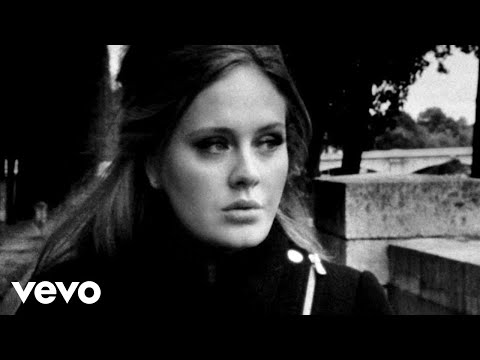
Adele – Skyfall (Official Music Video Complete) | James Bond Theme
3Adele – Skyfall (Official Music Video) | James Bond Theme
Adele’s “Skyfall” official music video, released in October 2012 as the theme song for the 23rd James Bond film, stands as one of the most acclaimed and commercially successful Bond themes in the franchise’s 60-year history. The video, directed by Sam Brown, features a minimalist lyric-based aesthetic that emphasizes the song’s dramatic orchestration and Adele’s powerful vocal performance, creating synergy between the music and the film’s marketing campaign. With over 900 million YouTube views as of 2026 and a historic Academy Award win for Best Original Song, “Skyfall” redefined the modern Bond theme and demonstrated the enduring cultural and economic value of the 007 franchise.
Overview and Artistic Vision
“Skyfall” was written by Adele and Paul Epworth, who also produced the track, and was released on October 5, 2012, ahead of the film’s premiere. The song blends orchestral elements—including sweeping strings, brass, and a dramatic choir—with Adele’s signature soulful vocals, creating a mid-tempo ballad that pays homage to classic Bond themes while maintaining a contemporary edge. The opening bars feature the iconic 007 minor-key motif, immediately establishing the song’s connection to the franchise’s musical heritage.
The official music video, directed by Sam Brown, takes a deliberately minimalist approach, focusing primarily on lyric visualization and atmospheric background effects rather than narrative storytelling. The video opens with the iconic James Bond gun barrel shot, immediately establishing the genre and linking the song to the film’s brand identity. Throughout the video, the word “Skyfall” is enlarged and highlighted, reinforcing the song’s title and creating visual synergy with the film’s marketing campaign. The color palette shifts between black, blue, grey, and silver, evoking the film’s moody, cinematic aesthetic.
Critics have noted that the video’s simplicity serves a strategic marketing purpose, allowing the song and film to remain the focal points without distraction from elaborate visual narratives. This approach contrasts with Adele’s earlier videos like “Rolling in the Deep” and “Someone Like You,” which featured more elaborate storytelling and symbolic imagery. The lyric video format also facilitated rapid digital distribution, making the song accessible to global audiences within hours of its release.
Critical Perspectives: Positive and Negative
Highly Positive Evaluations
“Skyfall” has been widely celebrated for its artistic merit, commercial success, and cultural impact. The song debuted at number two on the UK Singles Chart and reached number eight on the Billboard Hot 100, becoming one of the highest-charting Bond themes in history. It remained in the top 40 of the UK chart for 25 consecutive weeks, demonstrating sustained audience engagement.
At the 2013 Academy Awards, “Skyfall” became the first Bond theme to win the Oscar for Best Original Song, a historic achievement that elevated the song beyond typical franchise marketing into the realm of cinematic art. The song also won the Golden Globe for Best Original Song, the Brit Award for Best British Single, and the Grammy Award for Best Pop Solo Performance, cementing its status as one of the most decorated Bond themes ever produced.
Critics have praised the song’s production, lyrical depth, and Adele’s vocal performance. The Guardian described it as “a deliciously languid ballad” that returns the 007 song to its “dangerous basics,” comparing Adele’s vocal prowess to Shirley Bassey’s iconic “Goldfinger” performance. The LA Times noted that the song is “in tune with James Bond history,” taking its cues from vintage classics while maintaining a contemporary edge. CNBC reported that both fans and critics commended the theme, with the Evening Standard hailing Adele as the “best singer since Bassey.”
Culturally, “Skyfall” has resonated deeply with audiences beyond the Bond franchise, becoming a staple in playlists for dramatic, cinematic music and emotional empowerment. Mental health professionals have used the song in therapeutic settings to help patients process themes of resilience, loyalty, and facing adversity together. Its universal message of standing tall in the face of collapse has made it a go-to choice for moments of collective challenge and solidarity.
Economically, “Skyfall” generated substantial revenue for multiple sectors. The song’s digital sales exceeded 2 million copies globally within its first year, while streaming royalties continue to accrue hundreds of millions of plays across platforms as of 2026. The film itself grossed over $1.1 billion worldwide, becoming the highest-grossing Bond film at the time and the fifth-highest-grossing film in history. The song’s success also supported ancillary industries, including cover versions, karaoke, and tribute performances.
Critical and Negative Evaluations
Despite its acclaim, “Skyfall” has faced criticism from certain quarters. Some critics argued that the official music video is uninspired and overly reliant on film imagery rather than creating a distinct visual identity. Nicholas Jennings described the video as “an uninspired film teaser that merely provided a collage of images drawn from the film,” suggesting that it fails to stand on its own as a creative work. The same review praised the film’s opening title sequence, designed by Daniel Kleinman, as a far superior visual accompaniment to the song.
Others have noted that the song’s lyrics, while emotionally resonant, occasionally rely on clichéd rhymes and predictable phrasing. The Guardian pointed out that rhymes like “Skyfall,” “stand tall,” and “face it all” feel somewhat formulaic, questioning whether they match the sophistication of Adele’s earlier songwriting. Den of Geek’s retrospective review noted that while the song is effective, it takes a “delicate approach” that may not satisfy fans seeking more aggressive or adventurous Bond themes.
From a thematic perspective, some analysts have argued that the song’s focus on loyalty and standing together reinforces conventional narratives about duty and sacrifice that may feel outdated to contemporary audiences. The lyrics’ emphasis on “where you go, I go” and “what you see, I see” express a willingness to subordinate individual identity for the sake of partnership, which some critics have suggested may perpetuate problematic ideas about self-sacrifice in relationships.
Cultural and Economic Impact Across Sectors
Film and Entertainment Industry
“Skyfall” redefined the modern Bond theme, setting new benchmarks for artistic merit and commercial performance. The song’s Oscar win elevated the status of Bond themes from marketing tools to legitimate cinematic art, influencing subsequent franchise themes to prioritize artistic integrity over commercial appeal. The film’s success—grossing over $1.1 billion globally—demonstrated the enduring viability of the Bond franchise in the 21st century, supporting jobs in production, marketing, and distribution.
Music Industry
The song’s success demonstrated that traditional orchestral ballads could compete with electronic and hip-hop-influenced pop in mainstream charts. Adele’s collaboration with Paul Epworth influenced other artists to explore cinematic production styles, bringing renewed attention to orchestral arrangements in contemporary pop music. The song’s digital sales and streaming performance also set benchmarks for franchise theme songs, encouraging studios to invest in high-profile musical collaborations.
Mental Health and Therapeutic Applications
The song’s emotional resonance has made it a valuable tool in music therapy and mental health advocacy. Clinicians have used “Skyfall” to help patients process themes of resilience, loyalty, and facing adversity together. Its widespread recognition facilitates group therapy sessions, where shared cultural references enhance emotional connectivity among participants.
Economic Contributions
“Skyfall” generated substantial economic value across multiple sectors. The song’s digital sales exceeded 2 million copies globally within its first year, while streaming royalties continue to accrue hundreds of millions of plays across platforms as of 2026. The film itself grossed over $1.1 billion worldwide, becoming the highest-grossing Bond film at the time and supporting jobs in production, marketing, retail, and live events. The song’s enduring popularity also supports ancillary industries, including cover versions, karaoke, and tribute performances.
Societal Progress and Legacy
“Skyfall” has contributed to broader societal conversations about resilience, loyalty, and the universal human experience of facing adversity. Its cross-generational appeal underscores the shared human desire for connection and the willingness to stand together in times of crisis.
In 2026, the song remains a cultural touchstone, referenced in media, education, and public discourse. Its legacy is not only musical but also cinematic, as it continues to provide a benchmark for excellence in franchise theme songs. Adele’s ability to balance commercial success with artistic integrity has also inspired debates about sustainability and authenticity in the music business.
Final Assessment
Adele’s “Skyfall” is a landmark in modern film music culture, praised for its emotional depth, orchestral mastery, and therapeutic resonance. While some critiques highlight its potential limitations in visual creativity and lyrical originality, its overall impact on film, music, and creative industries remains overwhelmingly positive. As of 2026, the song continues to generate significant cultural and economic value, solidifying its place as one of the most influential Bond themes of all time.